Antelope Canyon tours: Lower, Upper and Horseshoe Bend
A Navajo guide is compulsory at every location in Lake Powell Navajo Tribal Park, so there is no self-guided access and no walking in on your own. Compare the tours on this site by price, duration, starting point and how many stairs they involve.
Every option here goes into the canyons with a guide, from one-hour walks in LeChee near Page to full days out of Las Vegas, Phoenix, Scottsdale and Sedona.
Both entrances lie east of Page on Navajo Nation land, within minutes of each other. Each has its own check-in point and its own rules.
Lake Powell Navajo Tribal Park holds the canyon, on Navajo Nation land east of Page, Arizona. Upper's entrance is about three miles east of town on Highway 98, where tour vehicles collect visitors. Lower sits on Indian Route 222, less than ten minutes' drive east off the same highway, and Canyon X check-in is farther out at Milepost 308 on AZ-98. Floor level is 3,704 feet (1,129 m), with walls rising roughly 120 feet (37 m) above it. None of this is part of Glen Canyon National Recreation Area, so America the Beautiful passes are not accepted here.
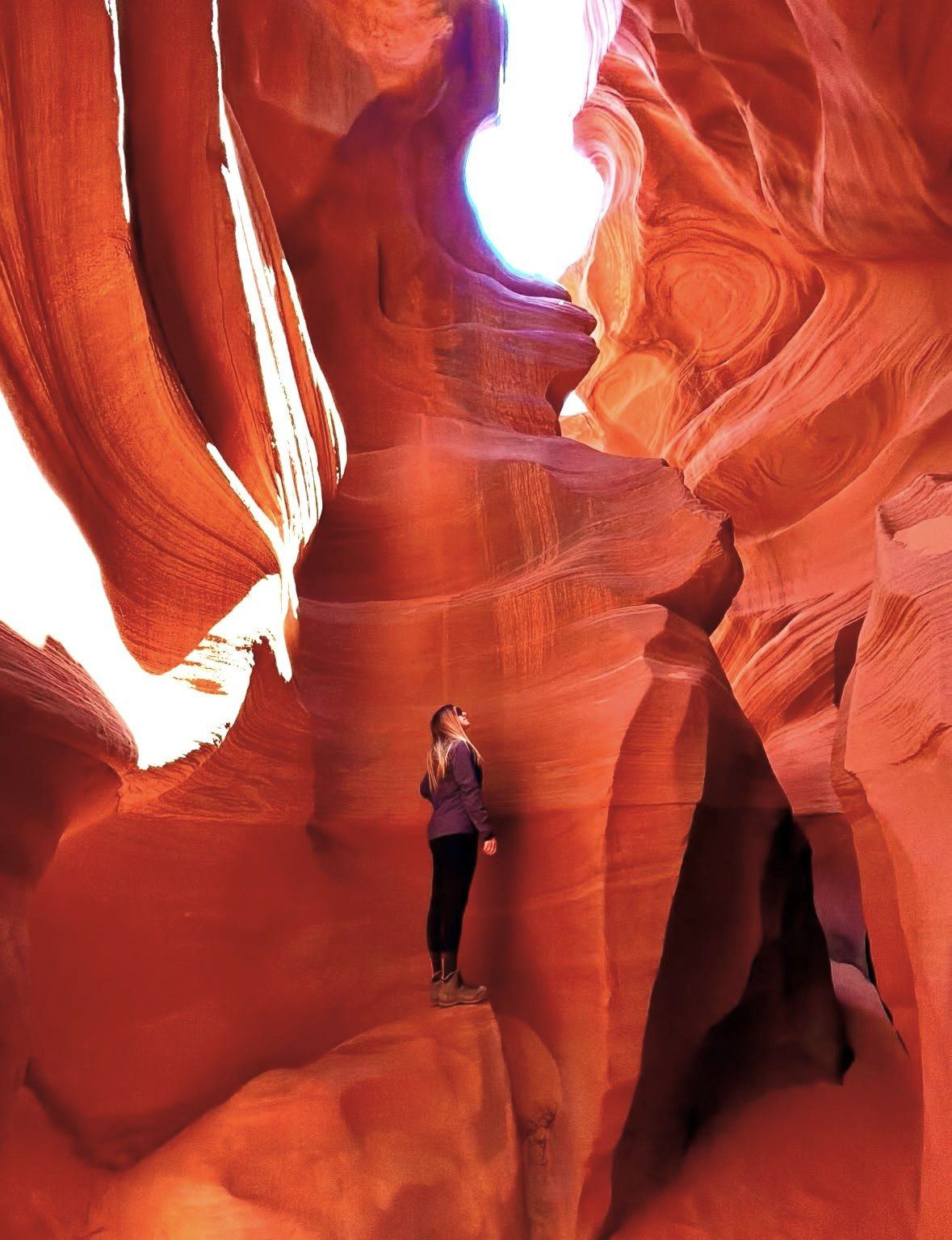
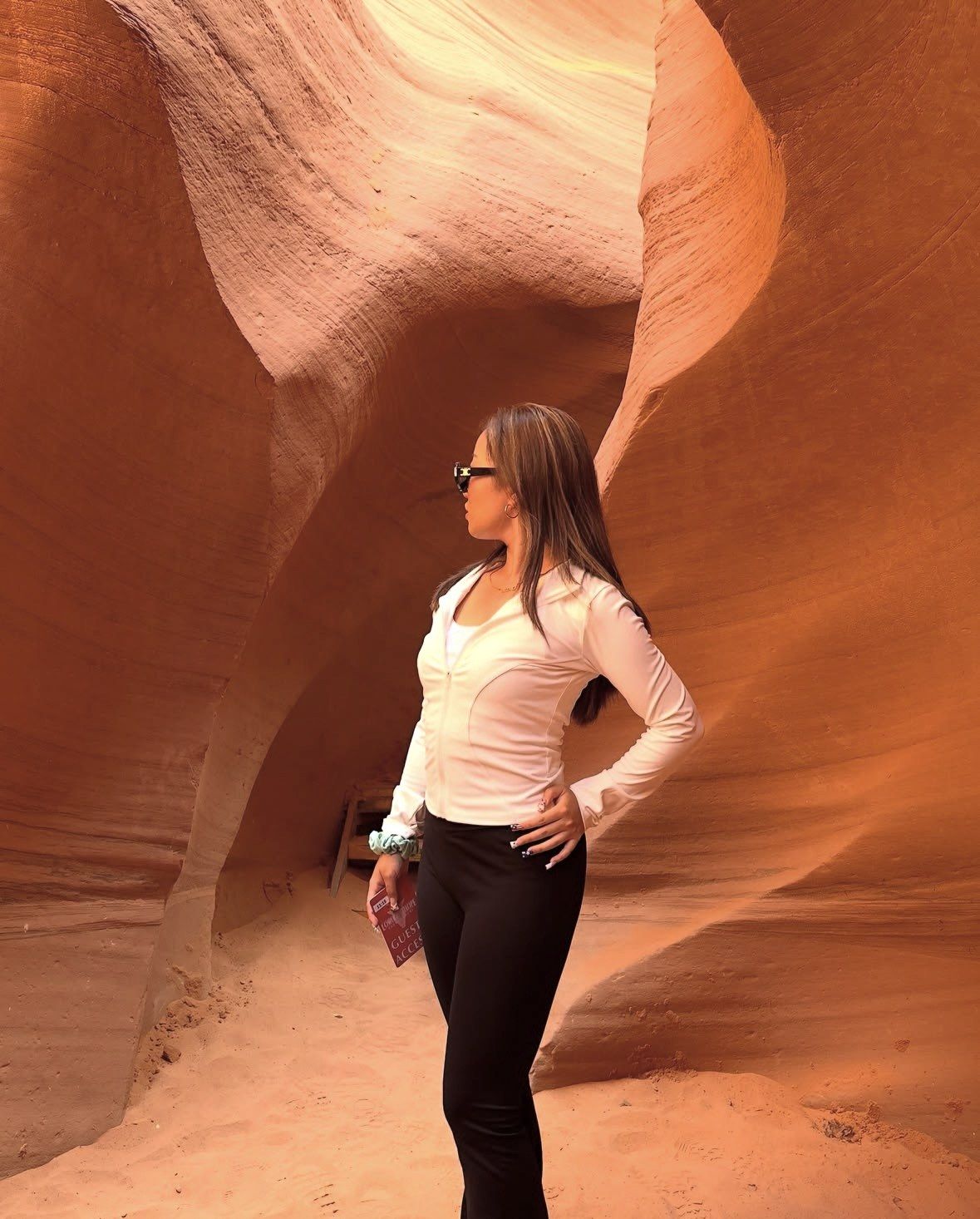
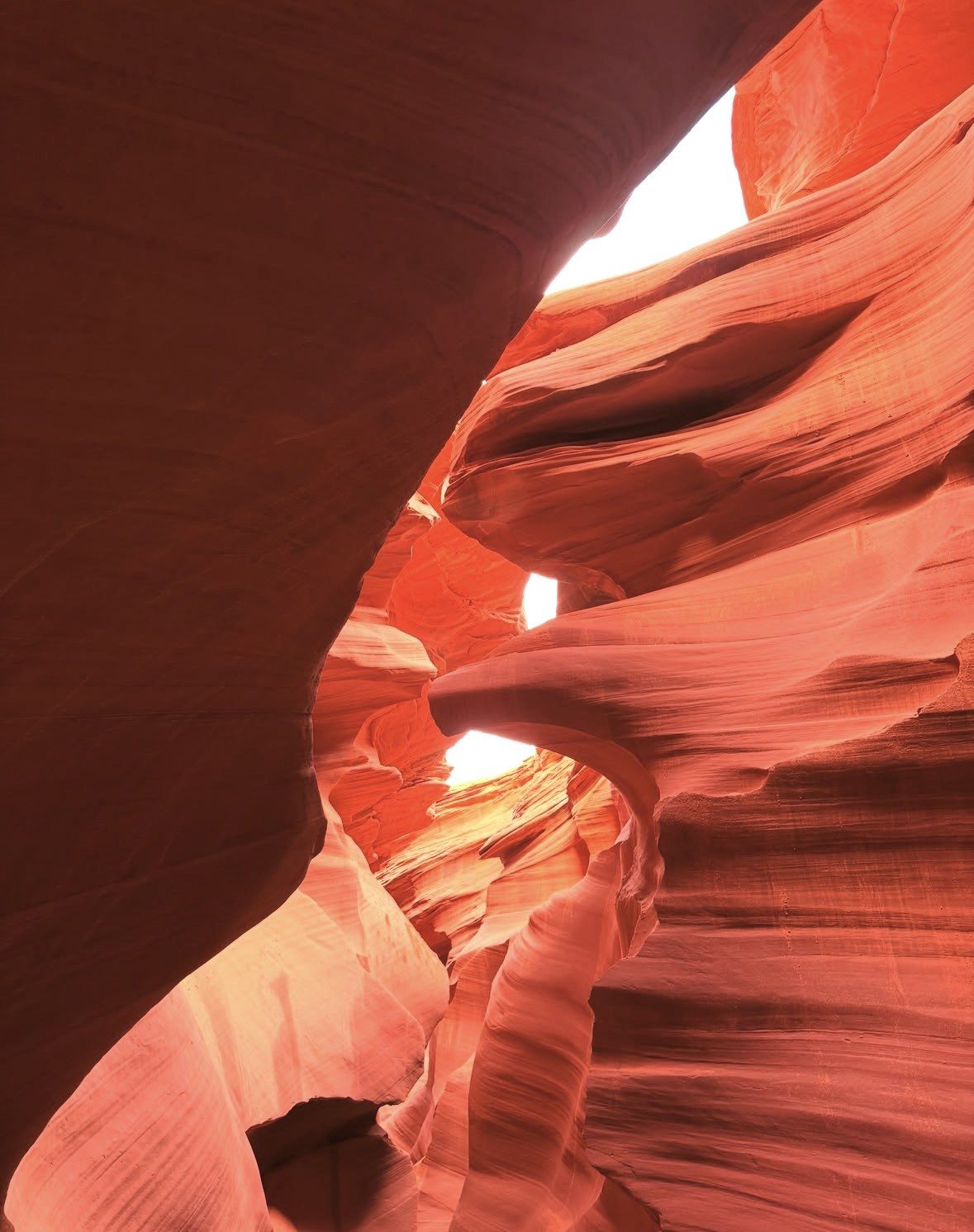
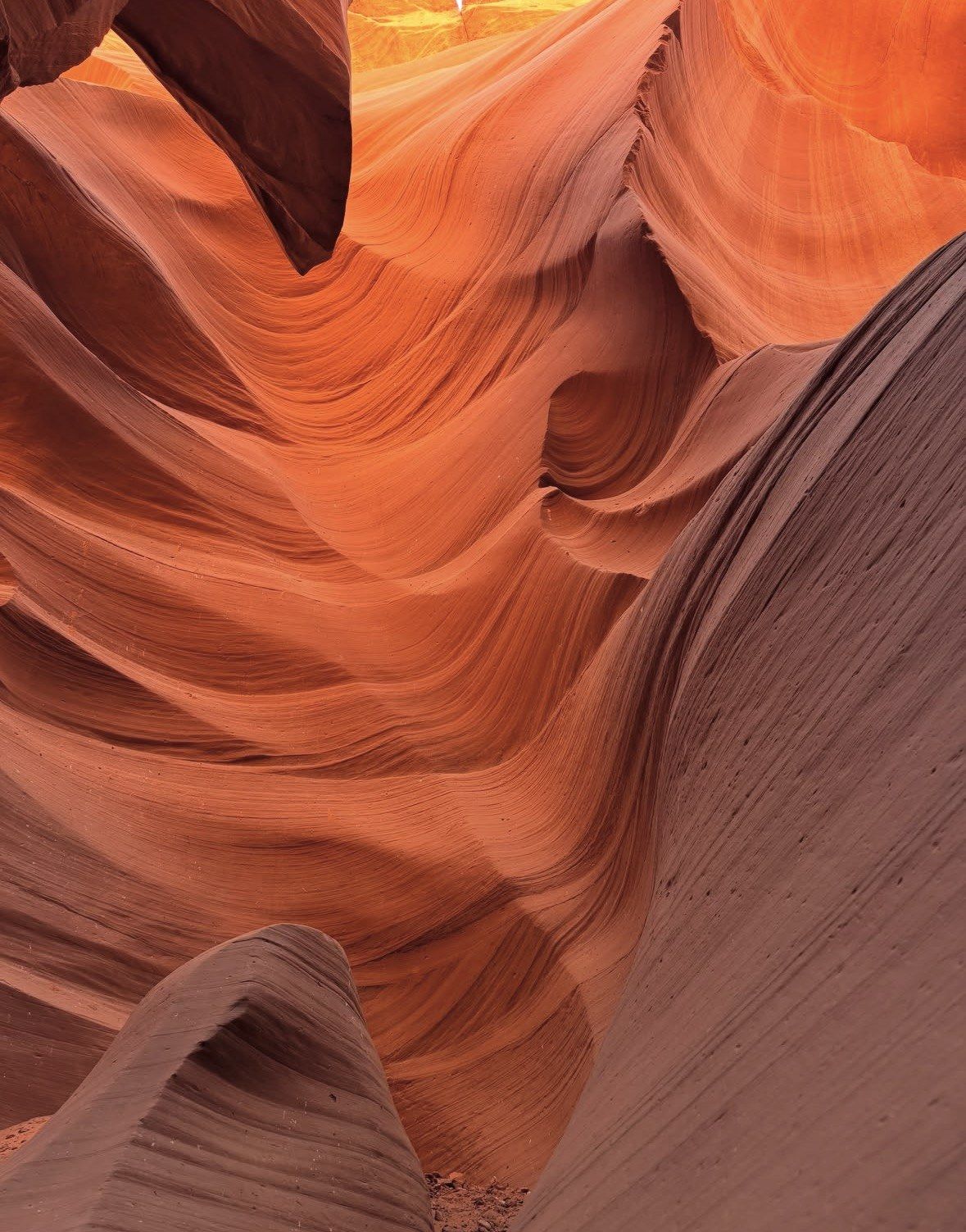
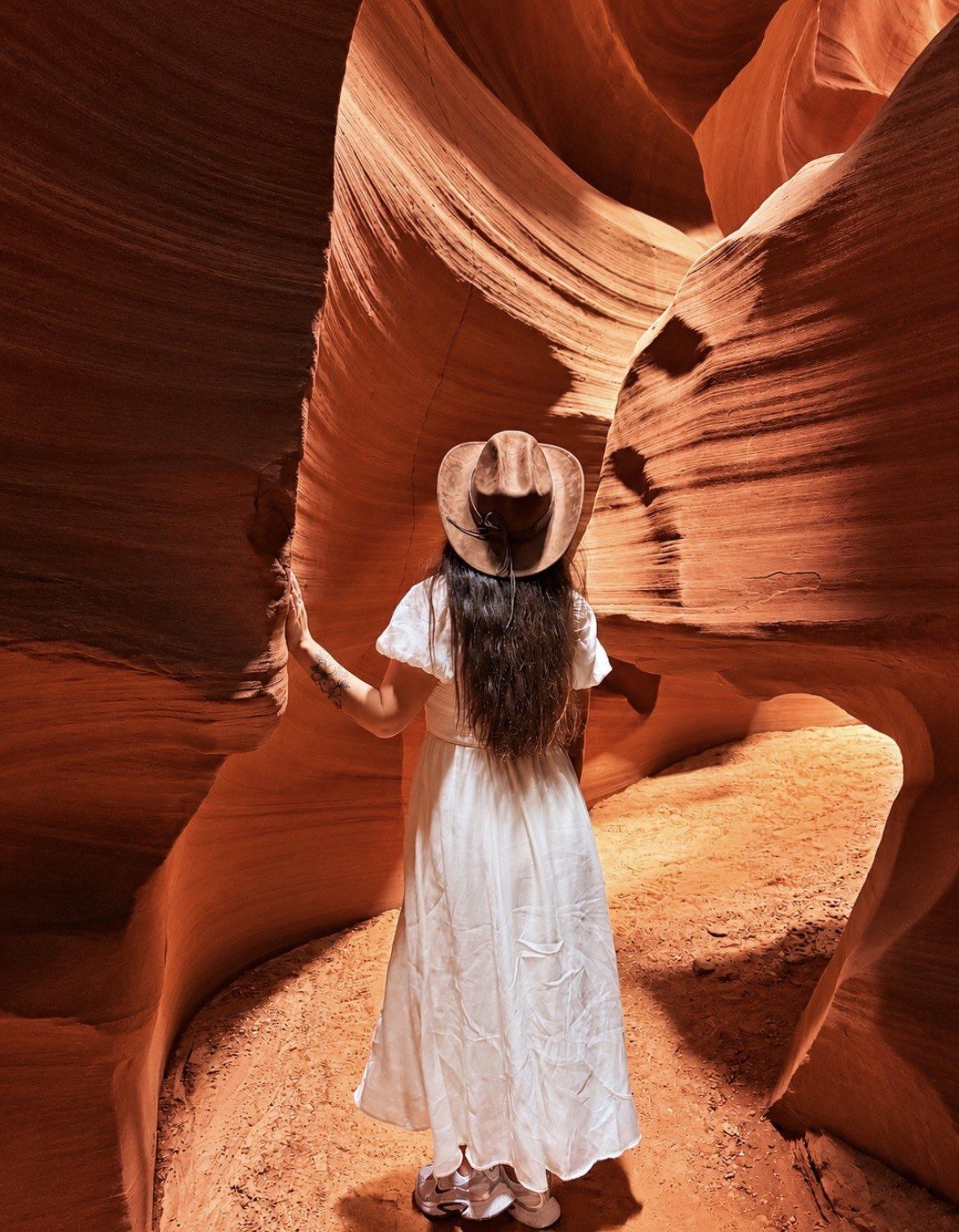
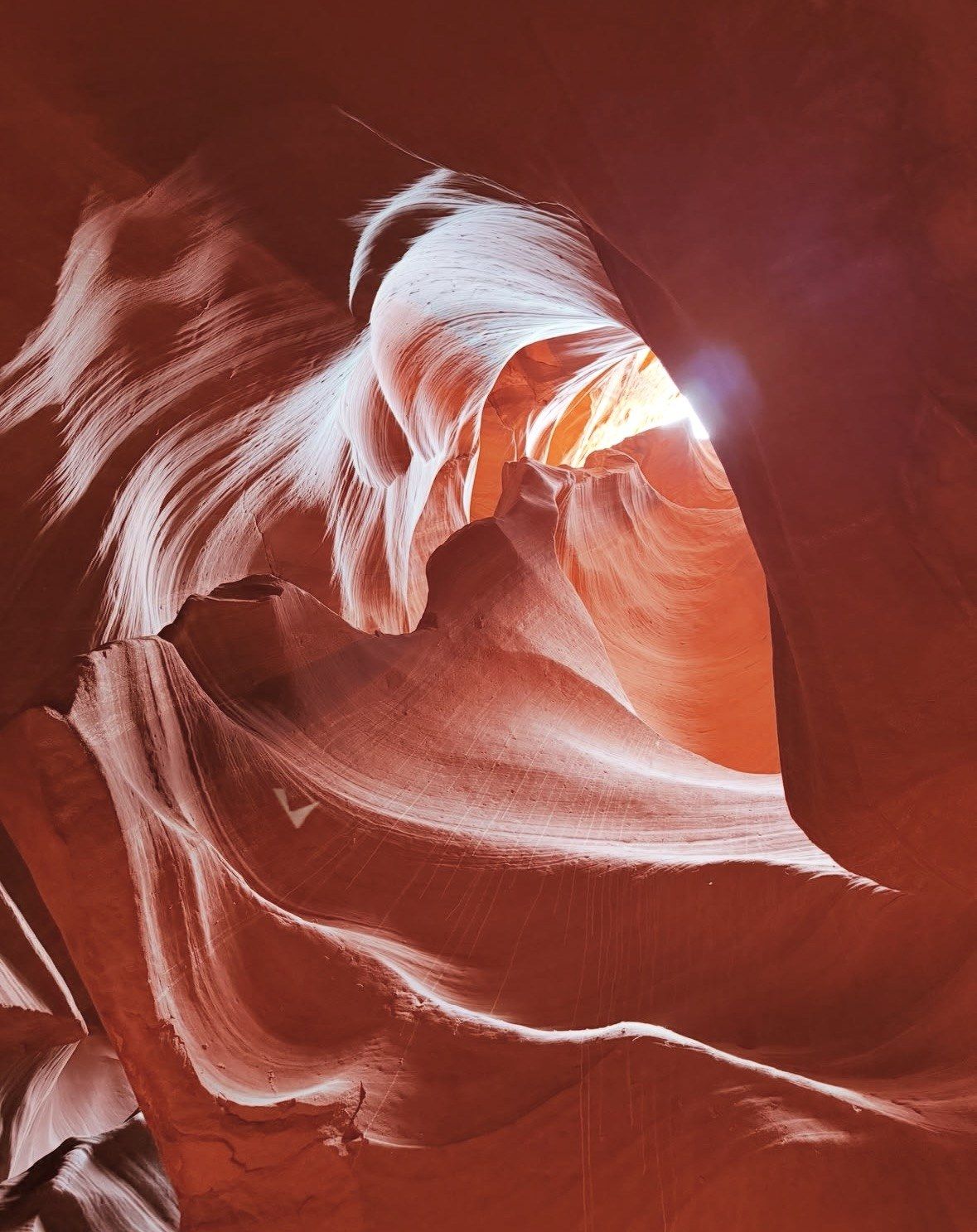
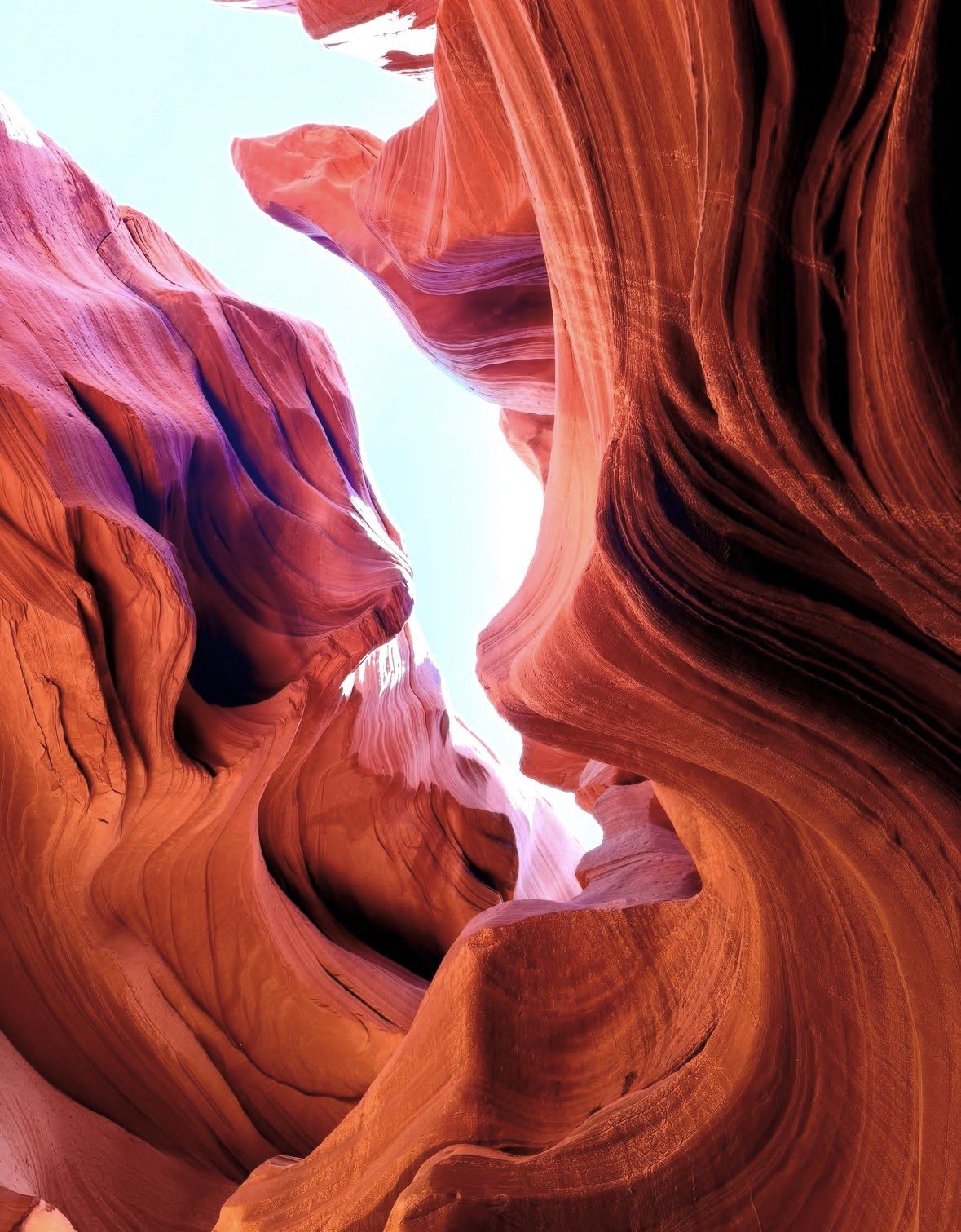
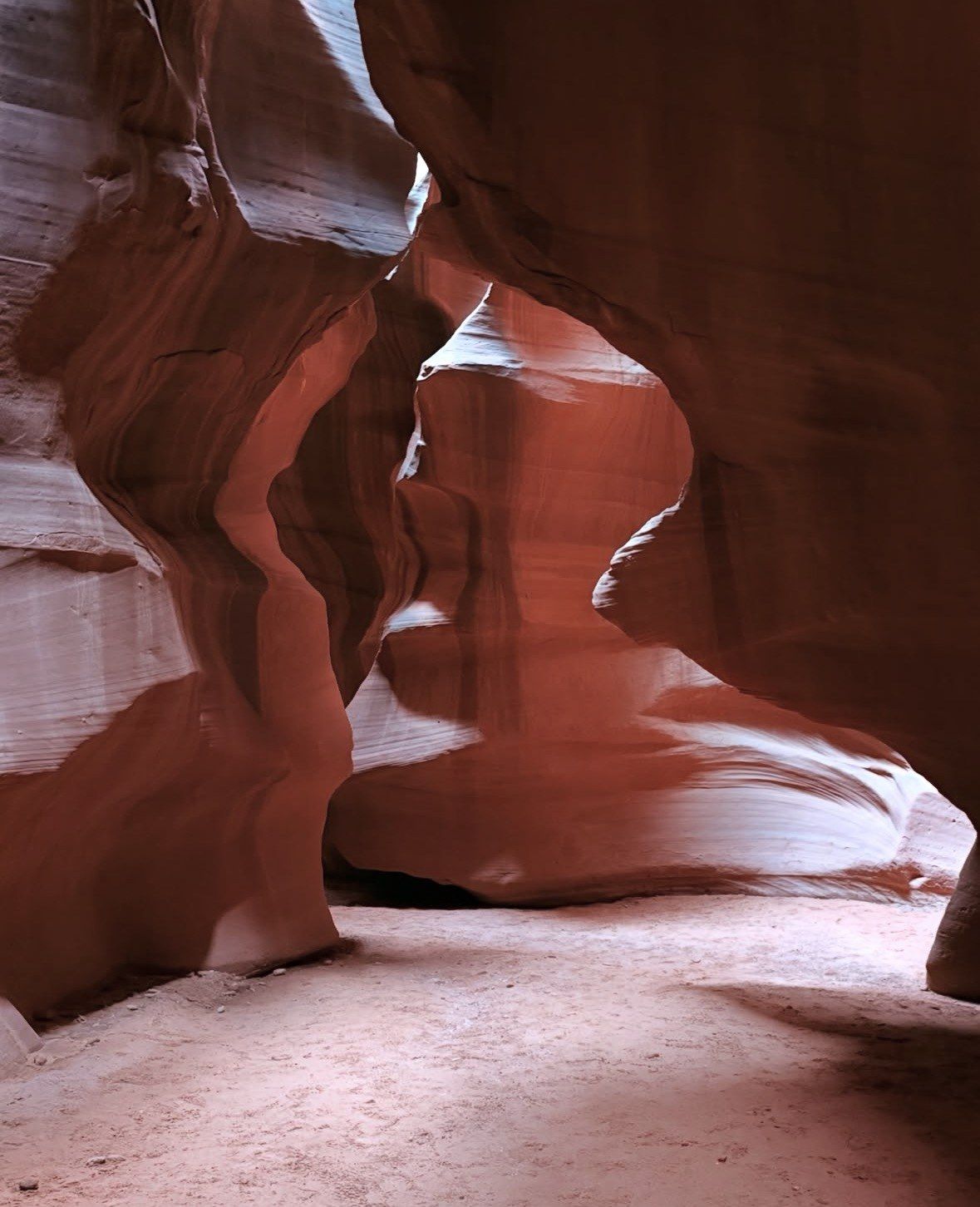
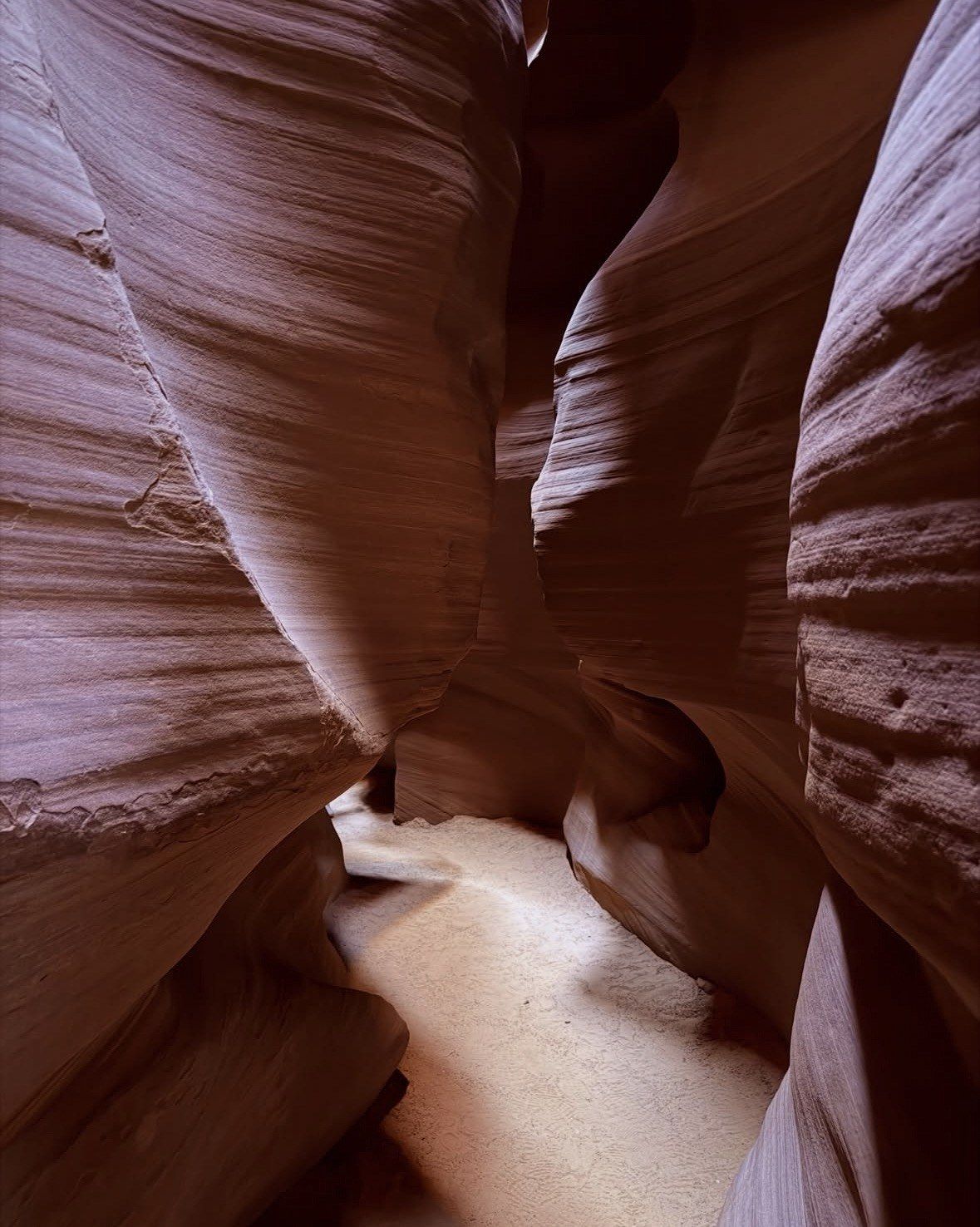
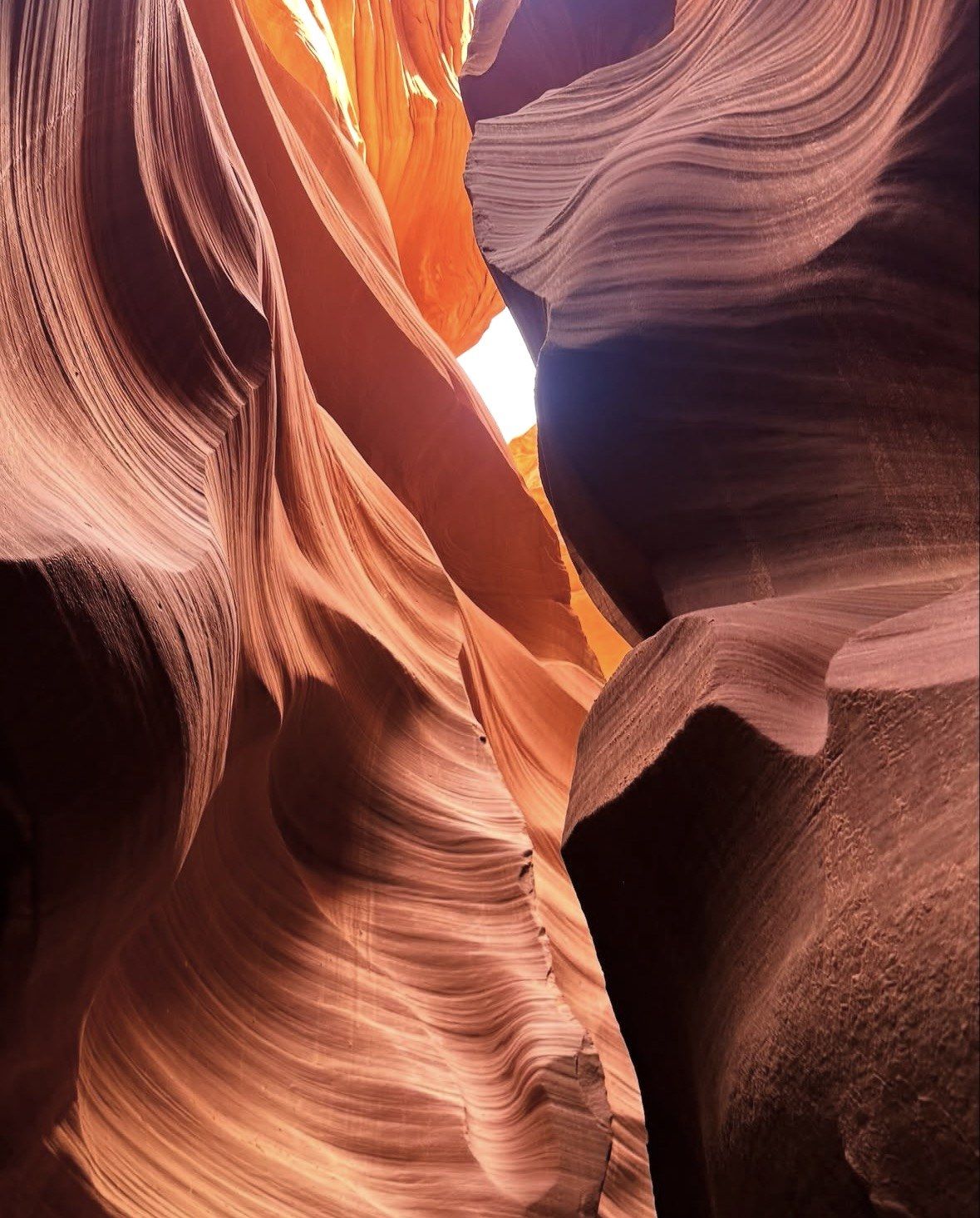
Water did the work. The rock is Navajo Sandstone, dated at roughly 8 to 60 million years old, and the passages were cut mainly by flash flooding driving grit through the joints. Navajo Parks gives Upper the name Tse'bighanilini, 'the place where water runs through rocks', and Lower the name Hasdez'twazi', 'the spiral role arches'. Visitor numbers have shaped today's rules as much as the geology has: a two-hour limit on time inside Upper has applied since 1 May 2011, and Navajo Parks & Recreation no longer issues photography or filming permits for either section.
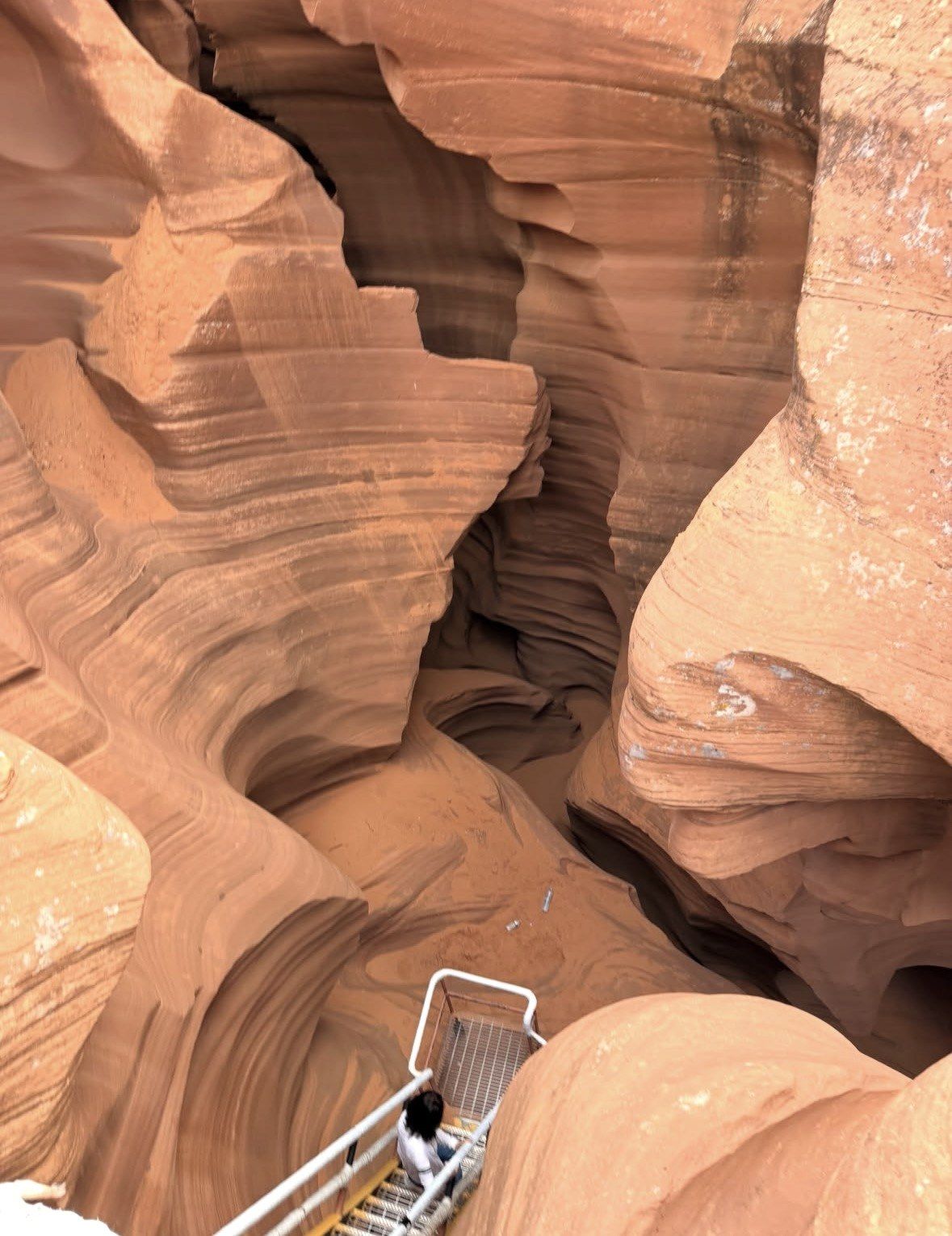
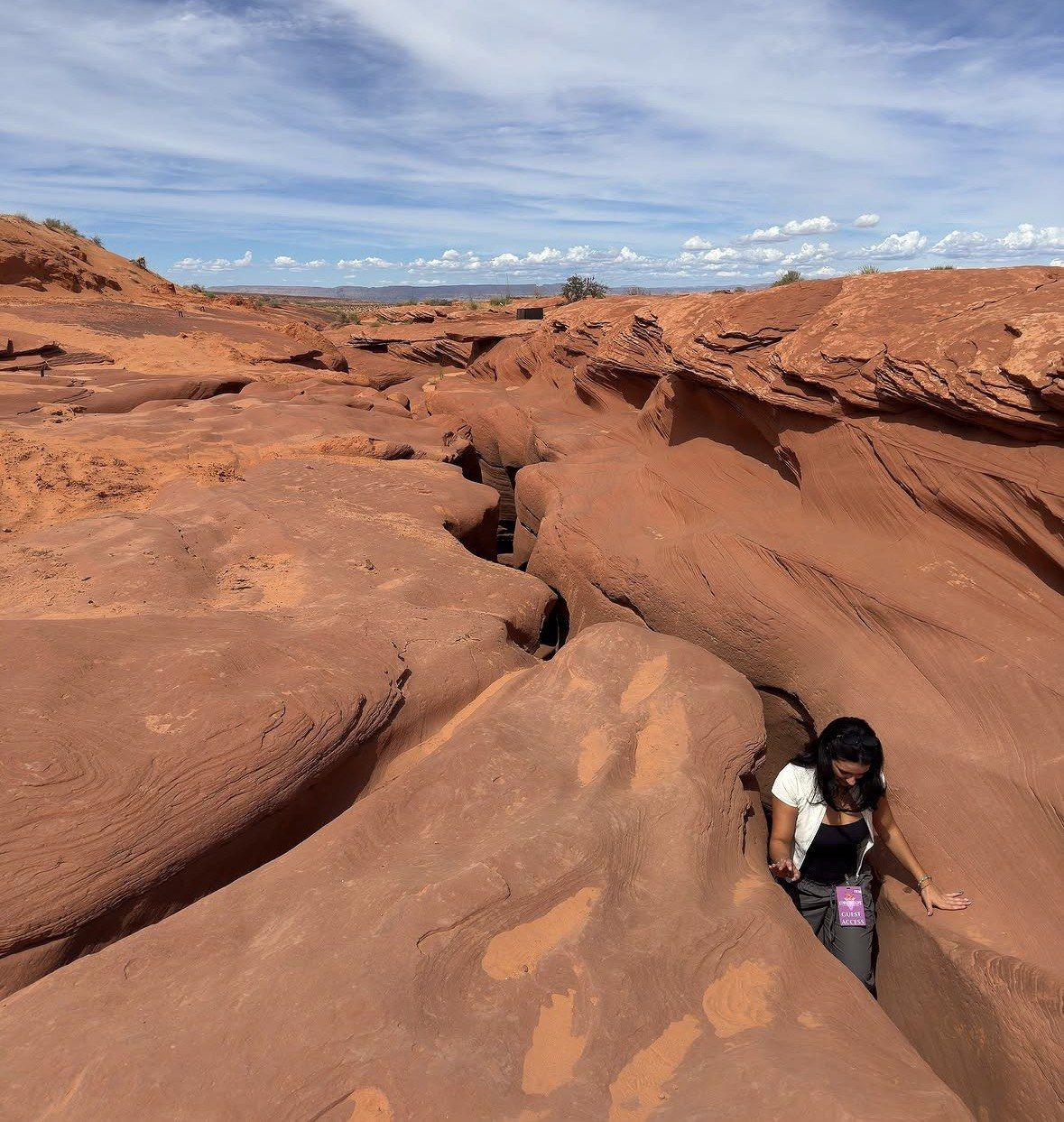
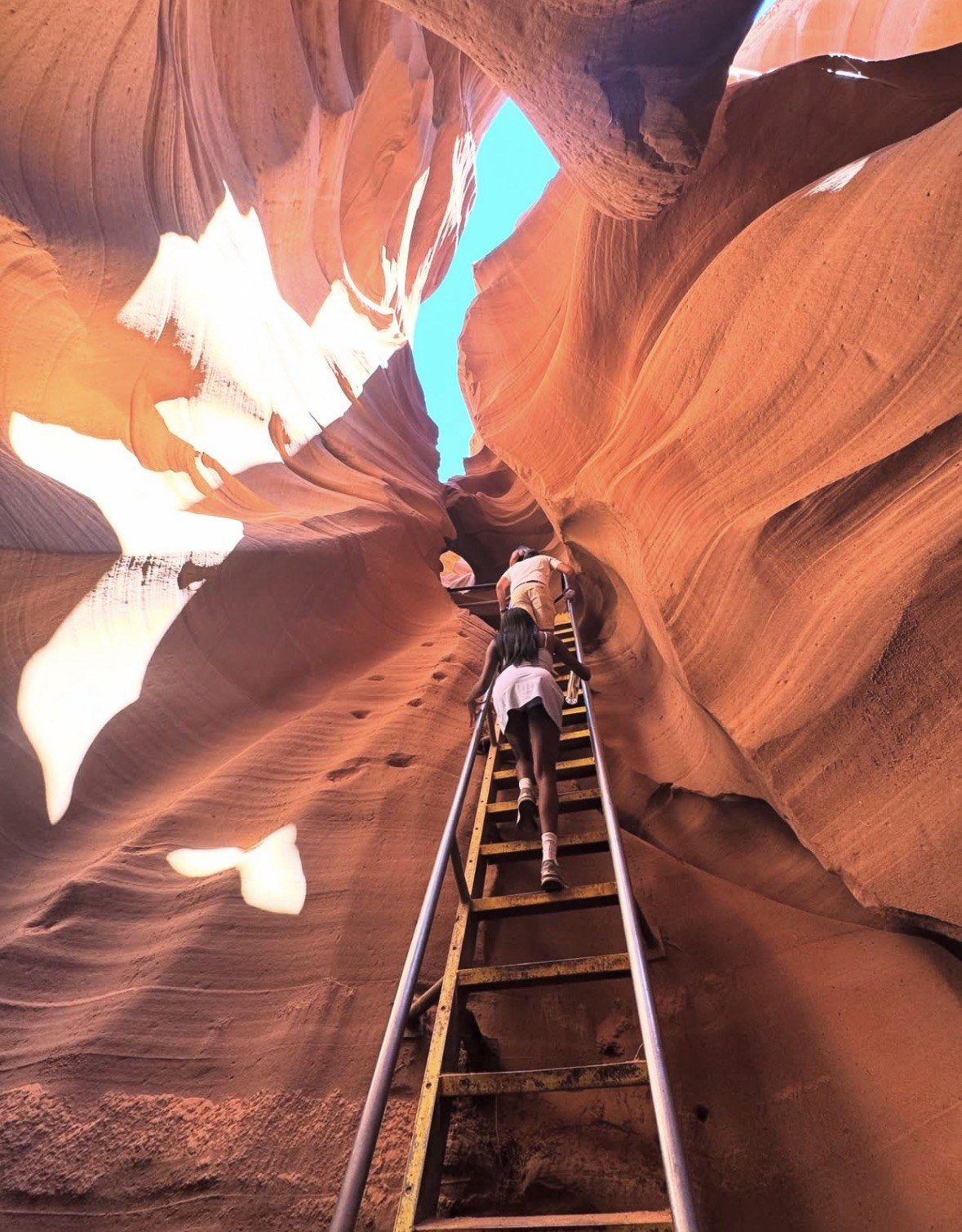
Expect a short, concentrated walk rather than a hike. Lower covers about 1,335 feet (407 m) and takes you down flights of stairs and ladders with handrails bolted into the walls; Navajo Parks warns it is narrow with steep stairs and may not suit anyone who is claustrophobic. Upper is walked one way through its 660-foot (200 m) section. The interior stays cool even in July, when Page averages a daily maximum near 96.0 °F, so closed-toe walking shoes and a light layer are worth packing. March to November is peak season and tours sell out.
Canyon depth120 ft (37 m)
Upper walkable section660 ft (200 m)
Lower length1,335 ft (407 m)
Canyon floor elevation3,704 ft (1,129 m)
Navajo Nation entry fee$15 per person, per entry
Summer park hours8:00 a.m. to 5:00 p.m.
Guide required
No self-guided access anywhere
A Navajo guide is compulsory at every location in Lake Powell Navajo Tribal Park. Every part of the park area is reached on a guided tour, and that is the single rule most first-time visitors get wrong.
1,335 ft
Lower is the longer walk
Lower runs about 1,335 feet (407 m) and includes descending flights of stairs plus ladders with handrails bolted into the canyon walls. Navajo Parks warns it is narrow and steep and may not suit claustrophobic visitors.
April–September
Beam season in Upper
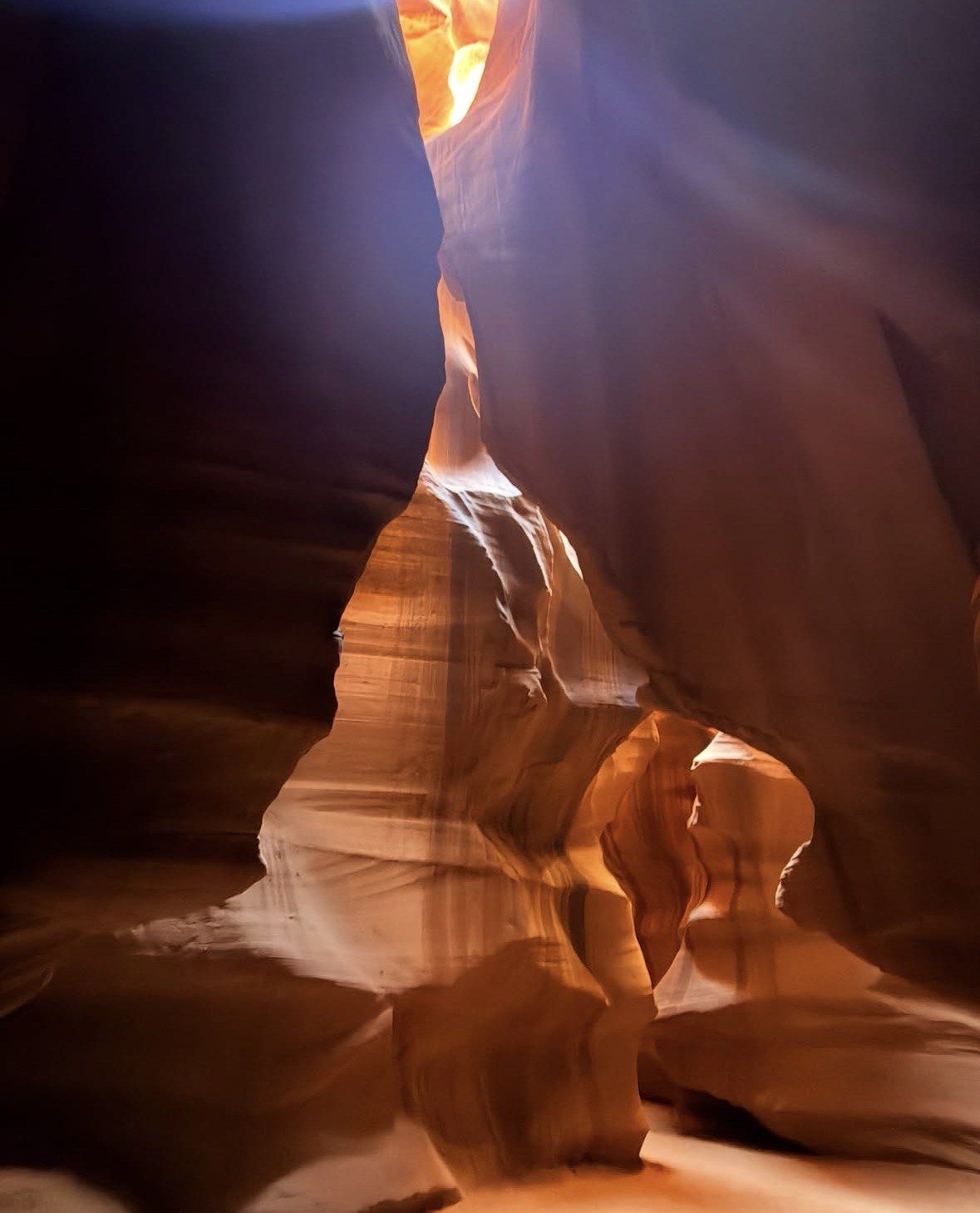
Light beams are mainly visible in Upper from April through September, on clear, sunny days only. Beams in early April and late October are smaller and do not last as long as midsummer ones.
MST all year
Arizona time never shifts
All tour times run on Arizona time, Mountain Standard Time with no daylight saving, while the surrounding Navajo Nation does observe it. Beam timings therefore stay the same through the summer.
8–60 million years
Navajo Sandstone
Navajo Sandstone here is dated at roughly 8 to 60 million years old, and flash flooding did most of the carving. That same flooding is why the park can close at short notice in bad weather.
$15
Navajo Nation entry fee
Entry to Lake Powell Navajo Tribal Park costs $15 per person, per entry, charged separately from guided tour prices. If you see both Upper and Lower on the same day, keep the receipt so you are not charged twice.
Walk Lower on the short hiking tour
From $94 for about 1 hour, 4.9 ★ (7729 reviews), with all fees and taxes included. Check-in is at Dixie's inside the Navajo Tribal Park, the first left after you turn in, under the green roof, forty-five minutes before tour time.
Target the beam window in Upper
Upper Antelope Canyon Tour-AACT runs from $119 for 1 hour 20 minutes, 4.7 ★ (2140 reviews), with all fees and taxes included and free parking at the meeting point. Arrive 30 minutes early and aim for the April-to-September window.
Pair the canyon with Horseshoe Bend
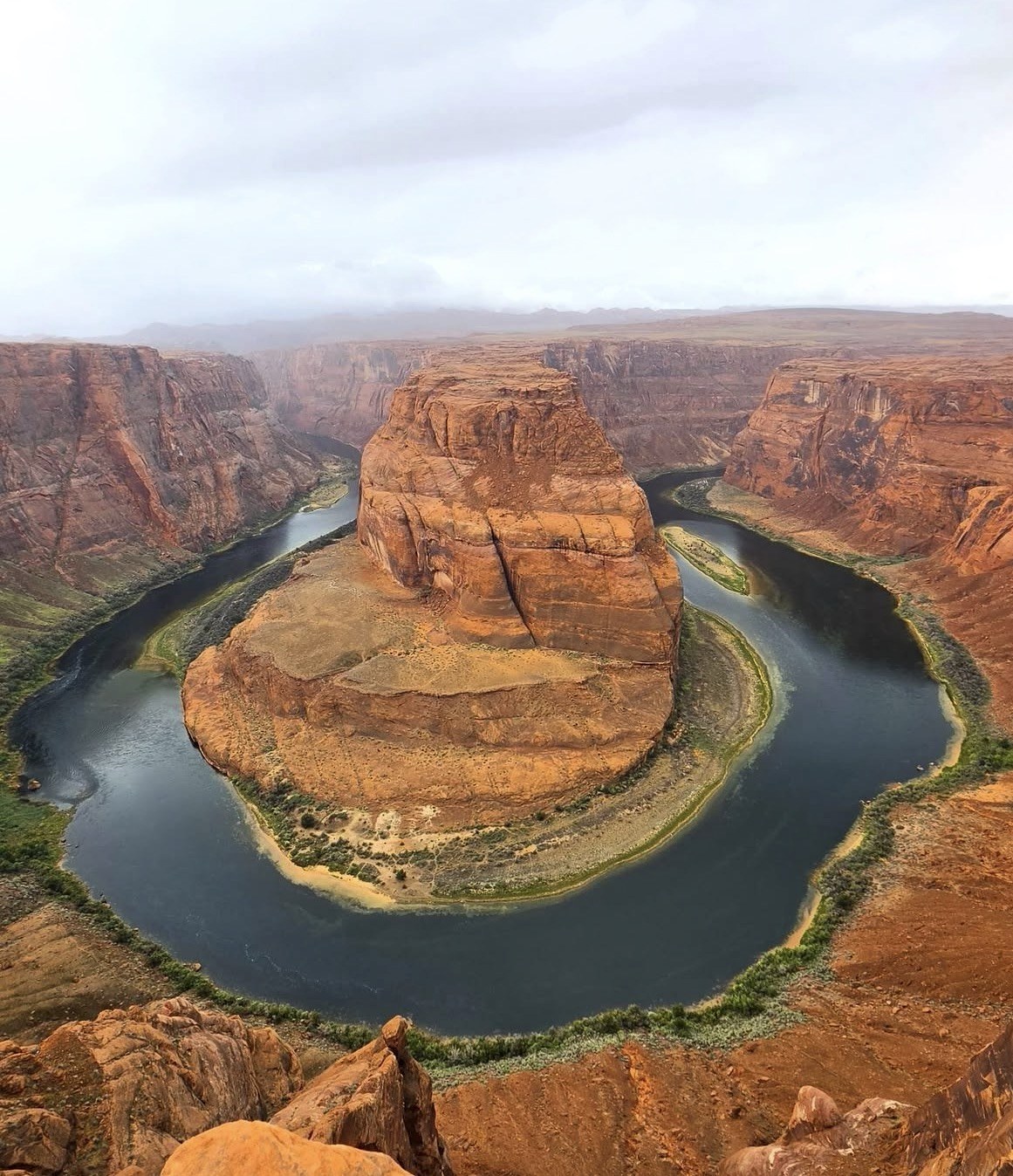
Pick-up, the Navajo Nation permit fee, Horseshoe Bend admission and a deli lunch all come with the award-winning Lower and Horseshoe Bend day tour: from $160 over 14–15 hours, 4.9 ★ (8468 reviews). Gratuities are not included.
Paddle to the water section
Lake Powell's kayak and hike tour runs from $119 over 4 hours, 4.8 ★ (193 reviews), with performance kayak, paddles, life jacket and a safety lesson. You meet the guide down by the water at Antelope Point, entered via Navajo Rte. 22B.
See the walls from the water
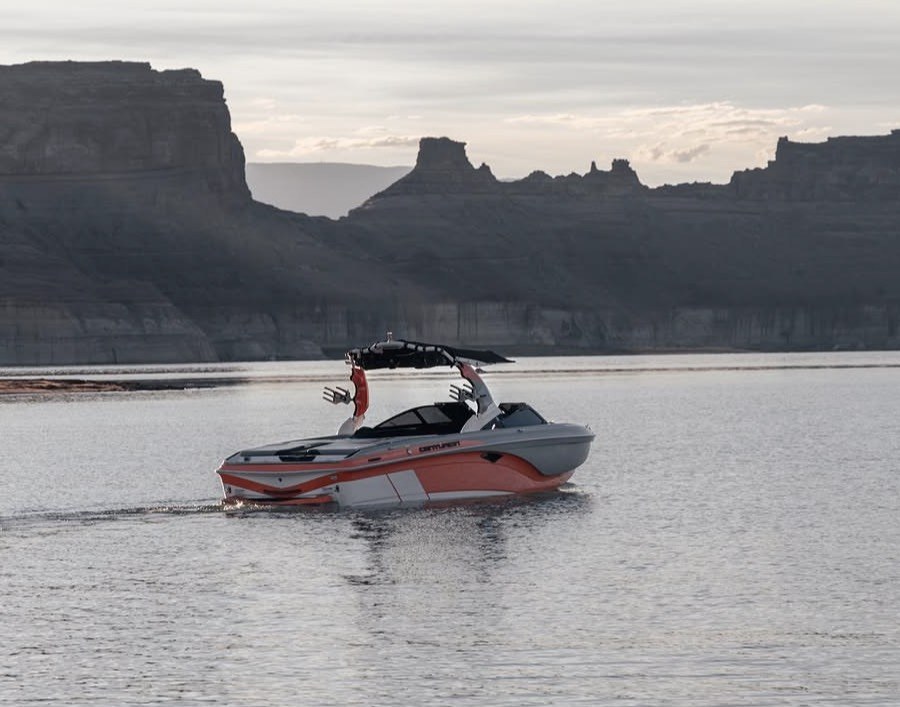
Expect 2 hours afloat on the photo boating excursion, from $199, 5.0 ★ (245 reviews), with a captained boat and fuel surcharge included. There are no stairs or ladders, which makes it the pick for anyone who cannot manage either.
Come in on a long day trip
From Sedona, the Horseshoe Bend and Upper tour runs from $312 over 11.5 hours with pick-up at about 6–6:30 a.m. From the Bellagio rideshare point, the Grand Canyon combination runs from $346 over 17–19 hours; from Phoenix or Scottsdale, from $390 over 13–14 hours.
Price, duration, starting point and the kind of visitor each tour on this site actually suits.
Choosing is rarely about which canyon is prettier. It comes down to whether you have a car, how long you can give the day and how many stairs you are willing to take. A reader staying in Page wants a one-hour walk; a reader without transport needs pick-up and the permit handled; a reader who cannot do ladders needs the water option. This table lines up the Antelope Canyon tours on this site on exactly those four points.
Price
Duration
Where it starts
Best for
★ Award-Winning Lower Antelope Canyon & Horseshoe Bend Tour
from $160
14–15 hours
Pick-up from select hotels
One long day covering Lower Antelope and Horseshoe Bend, with the Navajo permit, admissions and lunch included
Lower Antelope Canyon Hiking Tour
from $94
1 hour
Check-in at Dixie's inside the Navajo Tribal Park
The quickest guided walk through Lower Antelope, all fees and taxes included
Lower Antelope Tour Ticket
from $99
1–1.5 hours
Canyon check-in; hotel pick-up is not included
Canyon entry with a guide only; Navajo permit of $8 per person and admission included
Upper Antelope Canyon Tour-AACT
from $119
1 hour 20 minutes
Operator meeting point with free parking, arrive 30 minutes early
Upper Antelope and the April-to-September light-beam window
Lake Powell Kayak and Water Antelope Hike Guided Tour
from $119
4 hours
Antelope Point, down by the water via Navajo Rte. 22B
Paddling plus a hike into the water section for active visitors
Antelope Photo Boating Excursion 2 hours
from $199
2 hours
Launch ramp off 100 Wahweap Blvd, Page
Canyon walls from the water, with no stairs or ladders
Horseshoe Bend and Upper Antelope Tour from Sedona
from $312
11.5 hours
Sedona and Village of Oak Creek hotel pick-up at about 6–6:30 a.m.
Upper Antelope, Horseshoe Bend and Glen Canyon Dam from a Sedona base
Grand Canyon, Antelope and Horseshoe Bend Day Tour
from $346
17–19 hours
Bellagio rideshare pick-up location
Three landmarks in one very long day for visitors with a single free day
Without a car, take the award-winning Lower and Horseshoe Bend tour from $160 over 14–15 hours: pick-up, the Navajo Nation permit fee, both admissions and lunch are handled for you. Already in Page with your own wheels, the Lower hiking tour from $94 for 1 hour is the shortest way inside, with all fees and taxes included. For water instead of stairs, the kayak and hike tour runs from $119 over 4 hours from Antelope Point.
Practical info
Antelope Canyon Everything You Need to Know
Access, timing, packing, etiquette and safety for a visit built around guided tours.
Getting to the canyon entrances from Page
Most visitors drive, and Page is the base. Page Municipal Airport sits inside town at 238 10th Avenue, with daily Contour Airlines flights to Phoenix and rental cars on site. Charter and air-tour operators based there include Antelope Air, Grand Canyon Airlines, Papillon Helicopters and Westwind Aviation. The Upper park entrance is about three miles east of Page on Highway 98, where tour vehicles pick visitors up; the Lower site is on Indian Route 222, under ten minutes' drive east.
Once you are in Page, distances are small. Wahweap is 8 road miles and about 14 minutes away, Antelope Point 9 road miles and roughly 15 minutes, Lees Ferry 43 road miles and about 50 minutes. Lake Powell Resort at Wahweap runs a complimentary shuttle to and from the airport, included in its resort fee of $14.99 per room per night. If you have no vehicle, pick a tour on this site that includes round-trip transportation from select hotels.
Upper park entrance: about three miles east of Page on Highway 98, where tour vehicles collect visitors
Lower site: Indian Route 222, less than 10 minutes' drive east of Page off Highway 98
Canyon X check-in: Milepost 308 on Highway AZ-98, farther east than the other two
Page Municipal Airport, 238 10th Avenue: daily Contour Airlines flights to Phoenix, rental cars on site
Antelope Point, 537 Marina Parkway, is 9 road miles and about 15 minutes from Page
Lake Powell Resort's complimentary airport shuttle is included in the $14.99 per room, per night resort fee
Without a car, the day tour from $160 includes round-trip transportation from select hotels
The best months for light beams and comfortable walking
April to September is the beam window in Upper, and only on clear, sunny days. Of the published departures, the 11:20 a.m. tour is identified as giving the best chance; beams in early April and late October are smaller and shorter-lived. In Canyon X they appear from May through early August on clear days, with the popular window between 10:30 a.m. and 1:00 p.m. March to November is the peak visitor period, and tours sell out.
Page is hot and dry. July averages a daily maximum near 96.0 °F, August 92.8 °F and September 84.3 °F, while April sits around 69.1 °F, May 79.1 °F and October 71.0 °F. January is the coldest month, averaging 42.9 °F by day and 24.7 °F at night. Rain is sparse all year: June is driest at roughly 0.20 inch, August and October wettest at about 0.67 inch. The tribal park lists summer hours of 8:00 a.m. to 5:00 p.m.
Beams in Upper: mainly April through September, clear sunny days only
The published 11:20 a.m. Upper departure is identified as the best chance for beams
Canyon X beams: May through early August, popular window 10:30 a.m. to 1:00 p.m.
Peak season is March to November and tours sell out, so book the tours on this site early
National Weather Service monsoon season: 15 June to 30 September, with moisture usually reaching northern Arizona in the first week of July
Northern Arizona gets roughly 40 to 50 percent of its annual precipitation in the monsoon
The tribal park is closed on Thanksgiving Day, Navajo Nation Family Day, Christmas Day and New Year's Day
What to bring, and what stays in the car
Travel light, because the bag rules are enforced and they differ by canyon. Only clear transparent bags are allowed on the Upper tour, and opaque bags may not be tucked inside them; water, medication and a wallet can ride in your pockets or that clear bag. On the Canyon X hiking tour no bags of any kind are permitted, including hydration packs, so plan on carrying water and a phone or camera and nothing else.
Footwear matters more than gear. Closed-toe walking shoes are required in Lower, where you take stairs and ladders, and a light layer is sensible because the interior can feel cool even on a 96 °F July afternoon. Tripods and monopods are banned in the canyons; handheld cameras and phones are fine. Carry small bills for gratuities, which the tours on this site do not include, and sun protection for the Horseshoe Bend trail.
Closed-toe walking shoes for Lower, where the route includes stairs and ladders
A light layer: the canyon interior can be cool even in high summer
Clear transparent bag only on the Upper tour, with no opaque bag inside it
No bags of any kind, including hydration packs, on the Canyon X hiking tour
No tripods or monopods anywhere in the canyons; handheld cameras and phones are allowed
Water, sunscreen and a hat for the 1.5 mile (2.4 km) Horseshoe Bend round trip
Cash for gratuities, which are not included in the tours listed here
A car seat or booster for children 8 and under on the Sedona day tour, supplied by you
Rules and etiquette on Navajo Nation land
You are on Navajo Nation land, administered by Navajo Parks & Recreation, and the park's rules apply rather than national park rules. A Navajo guide is compulsory at every location. Littering, rock climbing, drones and dogs are prohibited across all Navajo Parks lands, and alcohol is prohibited across the Navajo Nation. The entry fee for Lake Powell Navajo Tribal Park is $15 per person, per entry, and it is charged separately from guided tour prices.
Set your watch to Arizona time and stop trusting your phone. Tours always run on Mountain Standard Time with no daylight saving, while the surrounding Navajo Nation does observe it, so a phone that latches onto Navajo Nation time can read an hour ahead between March and November. Check-in is forty-five minutes before tour time at Dixie's in the tribal park and thirty minutes before at the Upper meeting point and at Canyon X.
A Navajo guide is compulsory at every location; there is no self-guided access
Navajo Nation entry fee: $15 per person, per entry, separate from tour prices
America the Beautiful and Glen Canyon passes are not accepted, since this is not part of Glen Canyon NRA
Visiting both Upper and Lower the same day: keep the tribal fee receipt so you are not charged twice
Littering, rock climbing, drones and dogs are prohibited on all Navajo Parks lands
Alcohol is prohibited across the Navajo Nation, and smoking is banned on the Canyon X property
All tour times run on Arizona time (MST), so beam timings do not shift in summer
Heat, weather closures and footing underground
Heat is the everyday risk. July averages a daily maximum near 96.0 °F at Page, with August at 92.8 °F, and there is no shade on the Horseshoe Bend trail or in the car parks. Drink water before you set off. The canyon floor sits at 3,704 feet and Page itself is higher still, so take the first day gently if you have flown in from sea level, and keep water within reach.
Navajo Nation Parks warns in capital letters that closures are possible in bad weather, which in practice means flash-flood risk. The monsoon runs 15 June to 30 September, with moisture usually arriving in northern Arizona in the first week of July, so keep a spare half-day in your plans for July, August and September and treat a closure as final. Lower is narrow with steep stairs and may not suit claustrophobic visitors.
Closures are possible at short notice in bad weather, and the park's decision is final
Monsoon season runs 15 June to 30 September, so keep a spare half-day in July, August and September
Northern Arizona receives roughly 40 to 50 percent of its annual precipitation during the monsoon
July is the hottest month at Page, averaging a daily maximum near 96.0 °F
Lower involves flights of stairs and ladders with handrails bolted into the walls
Navajo Parks warns Lower is narrow with steep stairs and may not suit claustrophobic visitors
On Lake Powell every passenger needs a properly sized flotation device, and children 12 and under must wear a Coast Guard-approved lifejacket under way
Location
Find Antelope Canyon
Lake Powell Navajo Tribal Park, east of Page on Highway 98, Page, Arizona 86040.
Plan your visit
Practical info for visiting Antelope Canyon
Hours, access, light-beam timing, what you can carry inside and how to reach the canyon entrances near Page.
Straight answers on guides, permits, light beams, bag rules and the clock, before you pick a tour.
No. A Navajo guide is compulsory at every location inside Lake Powell Navajo Tribal Park, and Navajo Nation Parks & Recreation states that every part of the park area can only be reached on a guided tour booked with a licensed operator. There is no self-guided route, no trail you can walk alone and no way to wander in from the highway. Every tour listed on this site includes the guide, which is why the choice is really about which canyon, which base and how much time you have.
Lower is the better default. Its walkable section runs about 1,335 feet (407 m) against roughly 660 feet (200 m) in Upper, which is now walked as a one-way route and has had a two-hour limit on time inside since 1 May 2011. The Lower Antelope Canyon Hiking Tour costs from $94 for 1 hour and is rated 4.9 ★ (7729 reviews), with check-in at Dixie's inside the Navajo Tribal Park, the first left after you turn in, under the green roof. Choose the Upper Antelope Canyon Tour-AACT instead, from $119 for 1 hour 20 minutes, 4.7 ★ (2140 reviews), if light beams are your reason for coming.
Navajo Nation charges $15 per person per entry for Lake Powell Navajo Tribal Park, separately from guided tour prices. This land is not part of Glen Canyon National Recreation Area, so America the Beautiful and Glen Canyon passes are not accepted. Some tours here already cover it: the 14–15 hour day tour from $160 includes the Navajo Nation Permit Fee and Horseshoe Bend admission, and the ticket-only option from $99 includes a Navajo Nation permit fee of $8 per person plus the Lower admission. The Secret Antelope and Horseshoe Bend Overlook from $159 does not include the Navajo Tribal Park permit, and if you see both canyons in one day, keep your tribal fee receipt so you are not charged twice.
In Upper, beams are mainly visible from April through September and only on clear, sunny days. Of the published Upper departures, the 11:20 a.m. tour is identified as giving the best chance, and beams at the edges of the season, in early April and late October, are smaller and do not last as long. In Canyon X the beam season is shorter, from May through early August, with the popular window between 10:30 a.m. and 1:00 p.m. Nobody can promise you a beam, so treat it as a bonus rather than the reason the trip succeeds or fails.
All tour times run on Arizona time, Mountain Standard Time with no daylight saving, even though the surrounding Navajo Nation does observe daylight saving. Between March and November a phone that picks up the local Navajo Nation clock can read an hour ahead of your tour time, so set your watch to Arizona time and check it against your confirmation. Beam timings do not shift in summer for the same reason. Plan to arrive 30 minutes before the Upper tour at its meeting point, where parking is free, and forty-five minutes before the tour time for the Lower hiking tour at Dixie's.
Cameras and phones are allowed in the canyons, while tripods and monopods are banned. Bag rules differ by canyon: only clear transparent bags are allowed at Upper, and no bags of any kind, including hydration packs, are permitted on the Canyon X hiking tour. Navajo Parks & Recreation no longer issues photography or filming permits for Upper or Lower and is not accepting applications for Canyon X, so dedicated photo permits are off the table. Serious photographers who want space and a clear sightline tend to do better on the Antelope Canyon Photo Boating Excursion, from $199 for 2 hours, rated 5.0 ★ (245 reviews). Wear closed-toe walking shoes and carry a light layer, because the canyon interior can be cool.
It is workable, but build in slack. Navajo Nation Parks warns in capital letters that closures are possible because of bad weather, which in practice means flash-flood risk, and the National Weather Service defines the Arizona monsoon as 15 June to 30 September, with moisture usually reaching northern Arizona in the first week of July. Much of northern Arizona receives roughly 40 to 50 percent of its annual precipitation in that window. Page itself stays dry in absolute terms, with June the driest month at about 0.20 inch and August and October the wettest at about 0.67 inch, so keep a spare half-day in your plan and book a morning slot where you can.
Lower involves descending flights of stairs plus ladders with handrails bolted into the canyon walls, and Navajo Parks warns that the passage is narrow and steep and may not suit visitors who are claustrophobic. If stairs, ladders or tight spaces are a problem, the 2-hour photo boating excursion from $199 shows you canyon walls from the water with no stairs or ladders at all. Horseshoe Bend is the other gentle option: a 1.5 mile (2.4 km) round trip on a hardened, ADA-accessible path looking about 1,000 feet down to the Colorado River. On the Sedona day tour, Arizona law requires children 8 and under to travel in a car seat or booster, and guests must supply it themselves.
March to November is the peak window and tours sell out, so book as soon as your dates are fixed rather than hoping for a gap. The tribal park lists summer hours of 8:00 a.m. to 5:00 p.m. and is closed on Thanksgiving Day, Navajo Nation Family Day the day after, Christmas Day and New Year's Day. For comfort, April averages about 69.1 °F and May 79.1 °F, September 84.3 °F and October 71.0 °F, while July is the hottest month at Page with an average daily maximum near 96.0 °F. January is cold and quiet, with an average maximum near 42.9 °F and a minimum near 24.7 °F, and the beams are gone by then.
Without a car in Page, the Award-Winning Lower Antelope and Horseshoe Bend day tour is the one to take: from $160, 14–15 hours, 4.9 ★ (8468 reviews), with round-trip transportation from select hotels, the Navajo permit, both admissions, a deli lunch and on-board Wi-Fi. From a Sedona base, the 11.5 hour trip from $312, rated 4.9 ★ (1191 reviews), picks up in Sedona and Village of Oak Creek city limits at about 6–6:30 a.m. and is the day trip here that goes into Upper. For a single free day with a long drive built in, the Grand Canyon combination runs 17–19 hours from $346 with pick-up at the Bellagio rideshare point, and the Scottsdale or Phoenix option is 13–14 hours from $390 with a guided one-hour walk through Lower with a Native American guide.
Dates between March and November fill fast, especially in the beam window.
How sandstone, water and Navajo names shaped these canyons
Navajo Sandstone forms these walls, dated at roughly 8 to 60 million years old, and flash flooding cut the passages that visitors now walk. Navajo Parks knows Upper as Tse'bighanilini, 'the place where water runs through rocks', and Lower as Hasdez'twazi', 'the spiral role arches'.